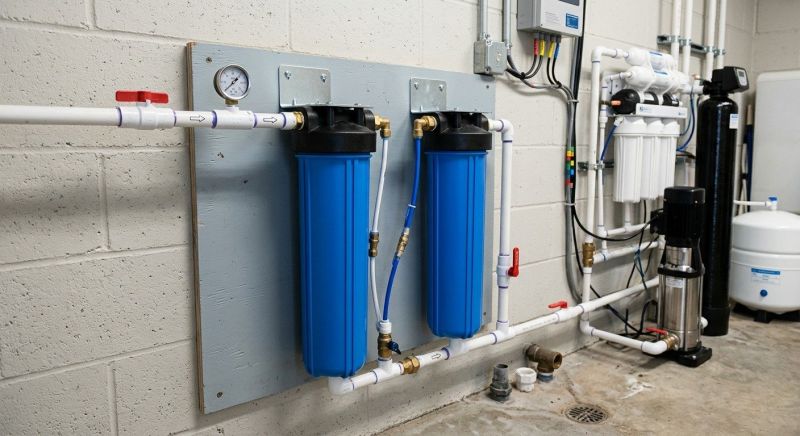
Carbon Filter Installation in Denver, CO
Carbon filter installation services are designed to improve indoor air quality by removing odors, chemicals, and airborne pollutants through specialized filtration systems. These services typically cover projects such as upgrading existing HVAC systems, installing standalone air purification units, or integrating filters into ventilation setups for homes and other residential properties. Property owners often want to understand the types of filters available, how they can help reduce unwanted smells or airborne contaminants, and what the installation process involves to ensure optimal performance.
Before requesting carbon filter installation, homeowners usually seek information about the compatibility of filters with their current systems, the maintenance requirements, and the expected benefits in terms of air freshness and safety. It’s also common to inquire about the different levels of filtration, the lifespan of the filters, and whether the installation can address specific concerns like pet odors, cooking smells, or chemical sensitivities. Having a clear understanding of these aspects helps property owners make informed decisions about their indoor air quality improvements.
Many property owners in Denver, CO look into Carbon Filter Installation for repairs, replacements, upgrades, and appearance-related improvements.
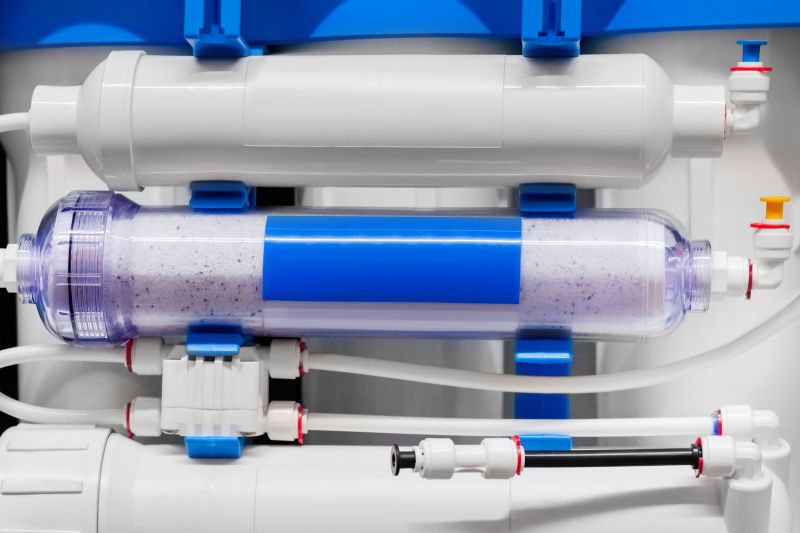
Benefits Of Carbon Filter Installation
Improves indoor air quality by removing odors and airborne pollutants.
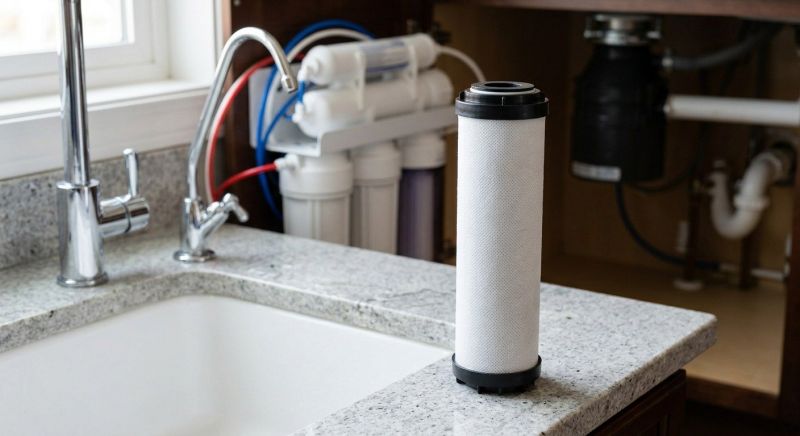
Common Applications
Ideal for residential homes, commercial spaces, and hvac systems in denver and nearby areas.
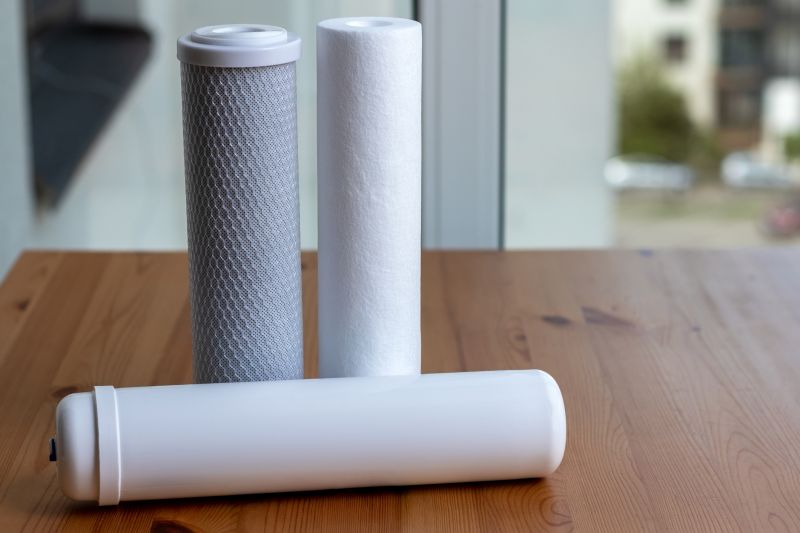
Maintenance And Replacement
Regular filter changes help maintain optimal air purification and system efficiency.
Carbon Filter Installation in Denver, CO

Carbon filter installation services are designed to improve indoor air quality by removing odors, chemicals, and airborne pollutants through specialized filtration systems. These services typically cover projects such as upgrading existing HVAC systems, installing standalone air purification units, or integrating filters into ventilation setups for homes and other residential properties. Property owners often want to understand the types of filters available, how they can help reduce unwanted smells or airborne contaminants, and what the installation process involves to ensure optimal performance.
Before requesting carbon filter installation, homeowners usually seek information about the compatibility of filters with their current systems, the maintenance requirements, and the expected benefits in terms of air freshness and safety. It’s also common to inquire about the different levels of filtration, the lifespan of the filters, and whether the installation can address specific concerns like pet odors, cooking smells, or chemical sensitivities. Having a clear understanding of these aspects helps property owners make informed decisions about their indoor air quality improvements.
Many property owners in Denver, CO look into Carbon Filter Installation for repairs, replacements, upgrades, and appearance-related improvements.
Common Carbon Filter Installation Jobs
Residential air purification - installation of carbon filters to improve indoor air quality and reduce odors.
HVAC system upgrades - adding carbon filters to existing heating and cooling systems for cleaner air circulation.
Commercial property solutions - installing carbon filters in office buildings and retail spaces to maintain a fresh environment.
Kitchen and appliance vents - integrating carbon filters into exhaust systems to eliminate cooking fumes and smells.
Basement and crawl space - deploying carbon filters to control musty odors and improve air freshness.
Custom filtration setups - designing tailored carbon filter solutions for specific property needs and air quality goals.
Carbon Filter Installation Questions
What is a carbon filter used for? A carbon filter helps remove odors, pollutants, and airborne contaminants from indoor air or water systems, improving overall air quality and freshness.
Where are carbon filters typically installed? They are commonly installed in HVAC systems, kitchen exhausts, water purification units, and other ventilation setups to filter out impurities.
How often should a carbon filter be replaced? Replacement frequency depends on usage, but generally every 3 to 6 months ensures optimal performance and odor control.
What types of properties benefit from carbon filter installation? Residential homes, apartment buildings, and commercial properties with ventilation or water systems can benefit from effective odor and contaminant removal.
Request Carbon Filter Installation in Denver, CO
Use the quote form on this page to share the basics of your project and request more information for the type of work you need.